Exploring the correlation between credit scores and auto insurance quotes unveils a realm of financial intricacies. Delve into this comprehensive guide for a nuanced understanding of how credit scores can significantly influence your insurance premiums.
Discover the key components that shape insurance quotes and learn how your credit score plays a pivotal role in this intricate process.
Importance of Credit Score in Auto Insurance
Having a good credit score can significantly impact the auto insurance rates you receive. Insurance companies often use credit scores as a factor in determining premiums for policyholders. Let's delve deeper into how credit score affects your auto insurance.
Impact of Credit Score on Auto Insurance Rates
Insurance companies consider credit scores as an indicator of risk when setting premiums. Individuals with higher credit scores are typically viewed as less risky to insure and may receive lower insurance rates.
- Having a good credit score can lead to lower insurance premiums as it shows financial responsibility and stability.
- On the other hand, individuals with poor credit scores may face higher insurance rates due to the perceived higher risk of filing claims.
Relationship between Credit Score and Insurance Risk Assessment
Credit scores are often used by insurance companies as part of their risk assessment process. A higher credit score is associated with a lower likelihood of filing insurance claims, leading to lower premiums.
Why Insurance Companies Consider Credit Score
Insurance companies use credit scores to help predict the likelihood of a policyholder filing a claim. By analyzing credit history, insurance companies can assess the level of risk associated with insuring an individual and adjust premiums accordingly.
Factors Influencing Auto Insurance Quotes Based on Credit Score
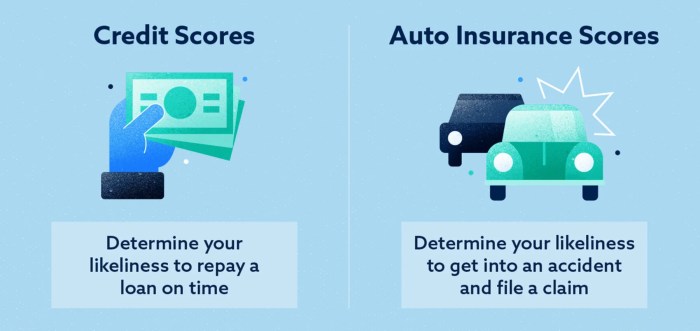
When it comes to determining auto insurance quotes, there are several factors at play besides just your credit score. Let's explore how various elements can influence the cost of your insurance premiums.
Impact of Credit Score vs. Driving Record
While both credit score and driving record are important factors in determining insurance rates, they have different impacts. A poor credit score can sometimes have a more significant impact on your premium than a less-than-perfect driving record. Insurance companies view individuals with lower credit scores as higher risk, leading to potentially higher premiums.
Credit History Influence on Insurance Costs
Your credit history can play a significant role in determining your insurance costs. Insurance companies use credit-based insurance scores to assess risk and determine premiums. Individuals with good credit history are often seen as more responsible and less likely to file claims, resulting in lower insurance rates.
Role of Location and Type of Vehicle
Aside from credit score, your location and the type of vehicle you drive can also impact your insurance rates. Urban areas with higher rates of accidents and theft may lead to higher premiums. Additionally, luxury or high-performance vehicles typically cost more to insure due to higher repair costs and increased risk.
When combined with a lower credit score, these factors can further elevate your insurance costs.
Ways to Improve Credit Score for Better Insurance Rates
Improving your credit score is essential for securing better insurance rates. A higher credit score demonstrates your creditworthiness and responsibility, leading insurance companies to offer lower premiums. Here are some strategies to boost your credit score and potentially save on your auto insurance:
1. Timely Payments
One of the most crucial factors in improving your credit score is making timely payments on all your credit accounts. Late payments can significantly impact your credit score negatively. Set up automatic payments or reminders to ensure you never miss a payment.
2. Debt Management
Reducing your overall debt and maintaining low credit card balances can positively impact your credit score. Aim to keep your credit utilization ratio below 30% to show lenders that you can manage credit responsibly.
3. Regularly Check and Monitor Your Credit Report
Monitor your credit report regularly to check for any errors or fraudulent activity. Disputing inaccuracies and staying informed about your credit standing can help you maintain a healthy credit score. You are entitled to a free credit report from each of the three major credit bureaus every year.
4. Avoid Opening Too Many New Accounts
Opening multiple new credit accounts within a short period can lower your average account age and negatively impact your credit score. Be cautious about applying for new credit unless necessary.
5. Maintain a Long Credit History
Having a long credit history can work in your favor, demonstrating your credit management skills over time. Keep old accounts open and active, even if you no longer use them regularly, to show a longer credit history.
Legalities and Regulations Concerning Credit Score and Auto Insurance

When it comes to the use of credit scores in auto insurance pricing, there are specific laws and regulations in place to ensure fairness and protect consumers. These regulations govern how insurance companies can use credit information when determining insurance rates.
Laws Governing Credit Scores in Insurance Pricing
Insurance companies are required to comply with the Fair Credit Reporting Act (FCRA) when using credit scores to determine auto insurance rates. This law ensures that consumers' credit information is used fairly and accurately in the insurance pricing process.
Consumer Rights Regarding Credit Information and Insurance Quotes
- Consumers have the right to request a copy of their credit report to review the information used by insurance companies.
- Insurance companies must inform consumers if their credit information was a factor in determining their insurance rates.
- Consumers can dispute any inaccuracies in their credit report that may be affecting their insurance rates.
Recent Changes in Legislation Related to Credit Score and Insurance
In recent years, there have been discussions about potential changes to the regulations governing the use of credit scores in insurance pricing. Some states have introduced legislation to restrict the use of credit information in setting insurance rates to ensure fair treatment of consumers.
Final Summary
In essence, your credit score serves as a crucial determinant in the realm of auto insurance quotes. By comprehending the impact of your credit score on insurance premiums, you are empowered to make informed decisions that can potentially lead to more favorable rates.
Frequently Asked Questions
How does my credit score affect my auto insurance premium?
Your credit score can directly impact the cost of your auto insurance premium. Insurance companies use credit scores to assess the risk factor associated with insuring you, with lower credit scores often resulting in higher premiums.
Can I improve my credit score to get better insurance rates?
Yes, improving your credit score can lead to better insurance rates. By maintaining a good credit history, making timely payments, and managing your debts effectively, you can increase your creditworthiness and potentially secure lower insurance premiums.
Are there other factors besides credit score that influence auto insurance quotes?
Yes, besides credit score, factors like driving record, credit history, location, and type of vehicle also play a significant role in determining auto insurance quotes. It's essential to consider all these aspects to get a comprehensive understanding of how your premium is calculated.
What are the legal regulations concerning credit scores and auto insurance?
Laws govern the use of credit scores in insurance pricing to ensure fair treatment of consumers. Recent changes in legislation have aimed to protect consumer rights regarding credit information and insurance quotes, providing a more transparent and equitable system.